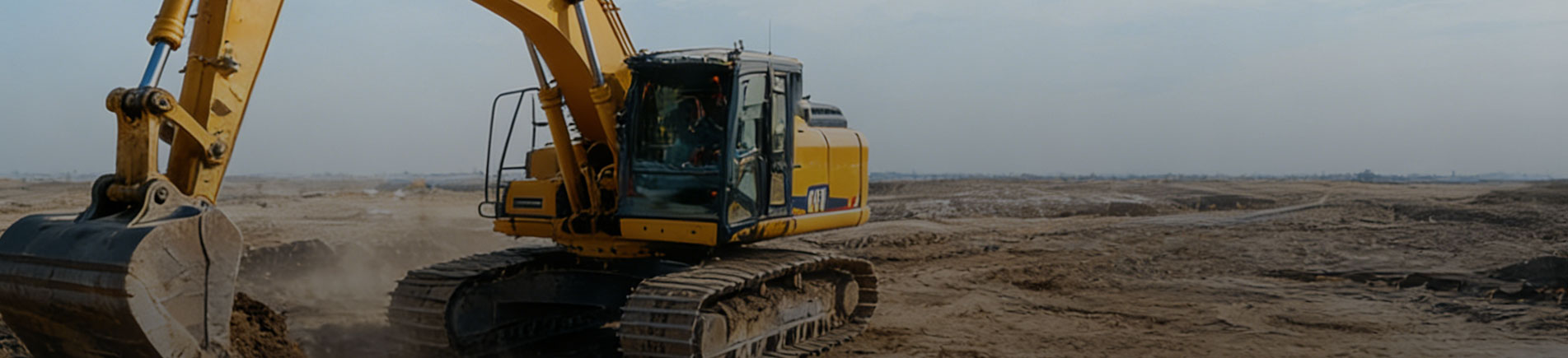
As of the second quarter of 2026, the global construction machinery sector is undergoing its most profound transformation in decades. The industry is moving beyond simple mechanical strength, shifting its focus toward system efficiency, decarbonization, and autonomous operation. Major markets in North America, Europe, and Asia are reporting a clear trend: the "Heart" of the excavator—the hydraulic system—is becoming smarter and more integrated.
The Dominance of Electro-Hydraulic Systems
The traditional mechanical-hydraulic interface is rapidly being superseded by Electro-Hydraulic (EH) architecture. This shift is driven by the need for higher precision and the integration of machine control software.
1.Precision Control: Unlike traditional systems, EH systems allow for independent flow control to each actuator, significantly reducing energy loss during multi-function movements.
2.Fuel Efficiency: Leading global manufacturers report that EH-equipped machines can achieve up to 15% better fuel economy, a critical factor as global carbon taxes and fuel costs continue to rise.
The Expansion of Large-Scale Mining Projects
2026 has seen a global surge in investment for critical mineral extraction (lithium, copper, and nickel). This has pushed the demand for ultra-heavy-duty machinery (120-ton class and above) to record highs.
1.Hydraulic Stress Challenges: These massive machines require hydraulic systems capable of operating at sustained pressures exceeding 350 bar. The industry is currently focusing on developing new alloy materials for pump rotary groups to withstand these extreme thermal and mechanical stresses.
The Proliferation of "Digital Twins" in Maintenance
A major dynamic in 2026 is the use of Digital Twin technology for fleet management. By creating a virtual replica of a machine’s hydraulic system, operators can simulate wear patterns and predict component life with over 90% accuracy.
1.From Reactive to Proactive: This technology is fundamentally changing the global spare parts supply chain, moving it from a "crisis response" model to a planned, Just-In-Time (JIT) replenishment model.
The hydraulic industry in 2026 is no longer just about fluid power; it is about digital power. Success in the current global landscape requires a deep understanding of how hydraulic hardware integrates with sophisticated software. For global stakeholders, staying informed on these technical shifts is essential for maintaining operational stability in an increasingly complex environment.
Leave A Message
Scan to wechat :