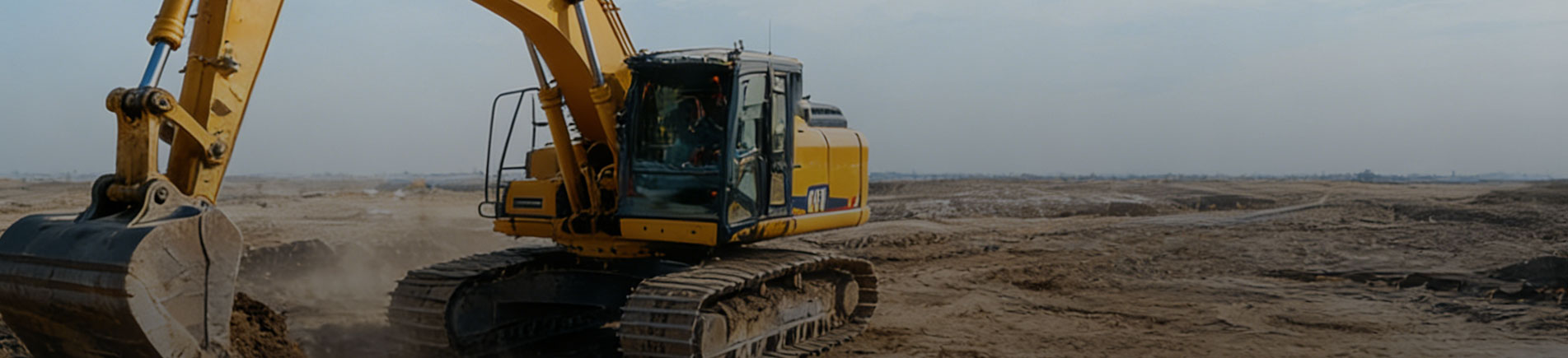
As the global construction machinery industry faces stricter energy efficiency regulations in 2026, the traditional open-center hydraulic system is rapidly evolving. This whitepaper analyzes the adoption of Electronic Proportional Control (E-PP) and its impact on the thermodynamic efficiency of mid-to-large scale excavators.
The Inefficiency of Mechanical Throttling
Historically, hydraulic systems relied on mechanical spools and pilot pressure for flow control, leading to significant "throttling loss" (heat generation). In high-intensity operations, this energy loss can account for up to 20% of total fuel consumption.
The E-PP Architecture
The 2026 standard for high-end machinery utilizes integrated sensors and high-speed solenoid valves. By digitizing the command signals, the system achieves:
1.Independent Flow Distribution: Power is distributed to the Swing Motor and Boom Cylinders based on real-time load sensing, rather than preset mechanical ratios.
2.Response Latency Reduction: Signal transmission speeds have improved by 40% compared to traditional pilot-oil systems.
The shift to E-PP is not merely a technical upgrade but a necessity for the survival of internal combustion engines in a carbon-conscious market. Manufacturers who master the integration of electronic control with fluid power will define the next decade of machinery performance.
Leave A Message
Scan to wechat :